Your Dog's Breed Determines a Lot More About Its Exercise Needs Than You'd Think
A daily walk gets recommended as the baseline for basically any dog, but the actual exercise requirement behind that generic advice varies enormously by breed in ways a single blanket recommendation glosses over completely. A working breed and a companion breed can have wildly different real needs behind an identical ‘walk daily’ suggestion. Here is why generic advice ignores major breed-driven differences, what the specific needs look like by broad breed category, and how to tell if your own dog’s current routine actually matches its breed profile.
Why Generic ‘Walk Your Dog Daily’ Advice Ignores Major Breed Differences
The oversimplification: the the-working-and-herding-breeds-were-selectively-bred-for-sustained-high-output-activity (the historical breeding purpose for many working and herding breeds specifically selecting for endurance and high daily activity output, a genetic legacy that a single daily walk doesn’t come close to satisfying — the the-breeding-history-created-a-genuine-underlying-need-a-generic-walk-doesnt-address), the the-companion-and-toy-breeds-were-bred-for-a-fundamentally-different-purpose-and-activity-level (the breeding history for many smaller companion breeds prioritizing temperament and size over working stamina, meaning their baseline exercise need is genuinely different, not just a smaller version of the same need — the different-breeding-purpose-means-a-different-not-just-smaller-baseline-need), the the-brachycephalic-and-certain-body-types-have-real-physical-limits-on-exercise-intensity-and-duration (the flat-faced and certain other body-type breeds having genuine physiological constraints on sustained exertion that generic ‘walk daily’ advice doesn’t flag at all — the real-physiological-constraints-exist-that-blanket-advice-doesnt-account-for), the the-a-single-generic-recommendation-cant-simultaneously-serve-both-ends-of-this-real-spectrum (the same blanket walk-daily suggestion being simultaneously insufficient for a high-drive working breed and potentially excessive for a small brachycephalic breed — the one-size-advice-cant-actually-fit-a-genuinely-wide-spectrum-of-real-needs), the the-mismatched-exercise-shows-up-as-behavior-problems-more-often-than-obvious-physical-signs (the an under-exercised high-energy breed often expressing the mismatch through destructive or anxious behavior rather than an obviously visible physical sign, which can obscure the actual root cause from the exercise-with-your-dog-guide logic — the behavioral-symptoms-can-mask-an-underlying-exercise-mismatch), and the reframe (the generic-advice problem as failing to account for genuine breed-driven variation in both the amount and intensity of exercise different dogs actually need — walk daily is a floor for some breeds and can be close to a ceiling for others)).
The Specific Exercise Needs by Broad Breed Category
The rough categories: the the-high-drive-working-and-herding-breeds-need-significant-daily-vigorous-activity (the breeds in this category generally needing well beyond a casual walk — vigorous exercise, mental engagement through tasks, and often more total daily activity time than most owners initially expect — the this-category-has-the-highest-and-most-frequently-underestimated-real-need), the the-sporting-and-hunting-breeds-need-substantial-activity-with-an-emphasis-on-varied-movement (the breeds bred for sustained field activity generally needing more than a flat walk, benefiting from varied terrain, fetch-style activity, or swimming where appropriate — the this-category-benefits-from-variety-and-volume-not-just-a-longer-walk), the the-companion-and-toy-breeds-generally-need-more-modest-but-still-real-daily-activity (the smaller companion breeds needing genuine but comparatively modest daily activity, where a walk plus some play is often genuinely sufficient rather than an underserving minimum — the modest-real-need-not-negligible-and-not-massive), the the-brachycephalic-breeds-need-careful-attention-to-intensity-duration-and-heat-specifically-more-than-total-volume (the flat-faced breeds needing exercise adjusted specifically for breathing limitations — shorter, cooler, lower-intensity sessions — rather than simply less exercise across the board — the the-adjustment-for-this-category-is-about-intensity-and-conditions-not-simply-reducing-total-activity), the the-senior-dogs-across-any-breed-need-a-recalibrated-version-of-their-breed-baseline-not-a-blanket-reduction (the aging dogs generally needing continued activity adjusted in intensity for their individual condition rather than a uniform cutback regardless of original breed activity level from the senior-dog-gentle-exercise-blog logic — the senior-adjustment-should-scale-from-the-breeds-original-baseline-not-a-flat-universal-reduction), and the frame (the broad categories as high-drive working and herding breeds needing the most and most frequently underestimated activity, sporting breeds benefiting from varied movement, companion breeds needing a real but modest amount, brachycephalic breeds needing intensity and heat adjustments specifically, and seniors needing a recalibrated version of their own breed’s baseline — genuinely different profiles, not one adjusted-up-or-down version of the same generic need).
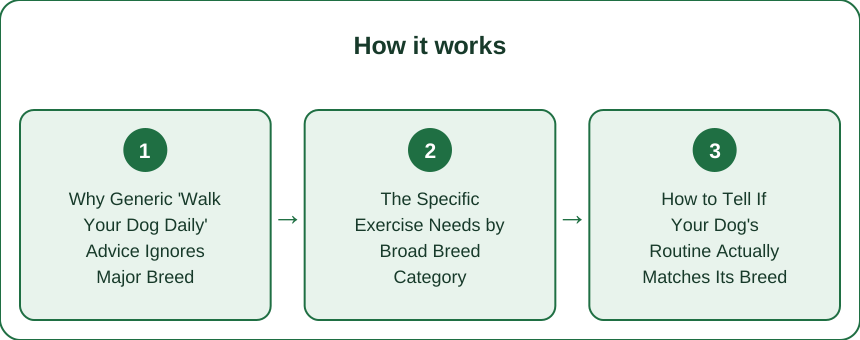
How to Tell If Your Dog’s Routine Actually Matches Its Breed Profile
The practical self-assessment: the notice-destructive-or-anxious-behavior-as-a-potential-under-exercise-signal (the persistent destructive chewing, excessive barking or restlessness being worth examining specifically as a possible exercise-mismatch signal before assuming it’s purely a training issue — the behavioral-signs-deserve-an-exercise-mismatch-check-before-jumping-straight-to-a-training-only-explanation), the the-research-your-specific-breed-or-breed-mix-actual-historical-purpose (the looking into what your dog’s specific breed or primary breed in a mix was actually bred to do, which predicts real exercise needs better than size or general appearance alone — the breed-purpose-predicts-real-need-better-than-visual-size-assessment-alone), the the-watch-for-signs-of-over-exercising-specifically-in-vulnerable-body-types (the panting excessively, slowing dramatically, or reluctance to continue being worth monitoring specifically in brachycephalic or other physically limited breeds, distinct from normal tiredness — the vulnerable-body-types-need-monitoring-for-too-much-not-just-too-little), the the-assess-whether-current-routine-includes-mental-engagement-not-just-physical-movement (the many working and herding breeds needing mental tasks and problem-solving alongside physical exercise, which a pure walk doesn’t provide even at sufficient length from the exercise-with-your-dog-guide logic — the mental-engagement-is-a-separate-need-from-pure-physical-activity-for-many-breeds), the the-consult-a-vet-for-breed-specific-guidance-particularly-for-brachycephalic-or-senior-dogs (the getting individualized guidance for breeds with real physical constraints or for aging dogs whose needs are shifting, rather than relying on general breed-category assumptions alone — the individualized-vet-guidance-matters-most-for-the-categories-with-real-physical-constraints), and the frame (the self-assessment as watching for behavioral under-exercise signals, researching your specific breed’s actual historical purpose, monitoring vulnerable body types for over-exercise signs specifically, checking for mental engagement alongside physical activity, and consulting a vet for breed-specific guidance where real physical constraints exist — matching the actual routine to the actual dog rather than a generic daily-walk assumption).
Generic ‘walk your dog daily’ advice glosses over genuine breed-driven differences in exercise need — high-drive working and herding breeds were selectively bred for sustained high daily output that a single walk doesn’t come close to satisfying, while brachycephalic and certain other body types have real physiological constraints on exercise intensity and duration that the same blanket advice doesn’t flag at all. Broadly, working and herding breeds need significant vigorous daily activity plus mental engagement, sporting breeds benefit from varied movement and volume, companion breeds need a genuine but comparatively modest amount, brachycephalic breeds need adjustments to intensity and heat exposure specifically rather than simply less total activity, and senior dogs need a recalibrated version of their own breed’s original baseline rather than a flat universal reduction. Tell whether your own dog’s routine actually fits by watching for destructive or anxious behavior as a possible under-exercise signal, researching what your specific breed was actually bred to do, monitoring vulnerable body types for signs of over-exercising specifically, checking whether the routine includes mental engagement alongside physical movement, and consulting a vet for individualized guidance where real physical constraints exist.
Keep Reading
This article is for general informational and styling purposes only. Fit, sizing, and product availability may vary.