How Hot Is Too Hot for a Dog Walk?
Quick Answer: Use the seven-second pavement test - if you cannot hold the back of your hand on the asphalt for seven seconds, it is too hot for paws. Beyond that, air temperature above roughly 85F with high humidity is risky for most dogs, and considerably lower for flat-faced breeds, seniors and overweight dogs. Dogs cool primarily by panting, which becomes far less effective in humid air.
The forecast says 82 and feels fine to you in shoes. The asphalt your dog is standing on can be 40 to 60 degrees hotter than that.
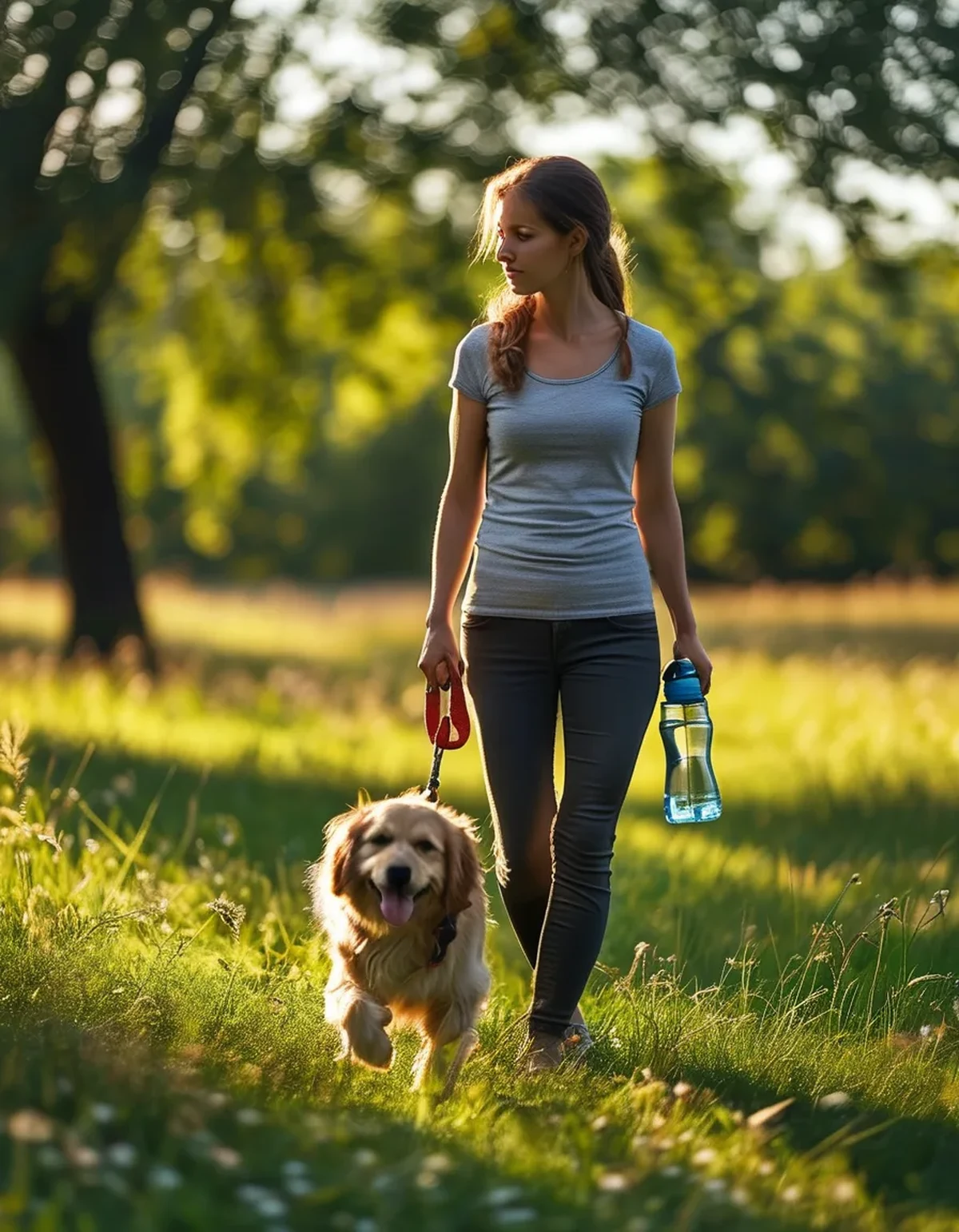
Why is pavement temperature the number that matters?
Asphalt absorbs solar radiation and holds it. On an 86F day in direct sun, asphalt commonly reaches 135F, and it stays hot well after the sun drops because the mass releases heat slowly.
Paw pads are tough but they are not insulated against that. Contact burns can occur within about a minute at those temperatures.
The seven-second test is the practical version: press the back of your hand flat on the surface. If you have to lift it before seven seconds, your dog should not be walking on it.
Grass, dirt and shaded paths run dramatically cooler - often 20 to 30 degrees below adjacent asphalt.
Why does humidity matter so much for dogs specifically?
Because dogs do not sweat meaningfully. They shed heat primarily through panting, which is an evaporative process happening in the respiratory tract.
Evaporation depends on the moisture gradient with the surrounding air. In humid conditions that gradient shrinks and panting becomes far less effective - the same reason evaporative cooling gear fails for humans in humidity.
This is why an 84F day at 80 percent humidity is more dangerous for a dog than a 92F day at 20 percent. Owners tend to judge by the temperature alone and get this backwards.
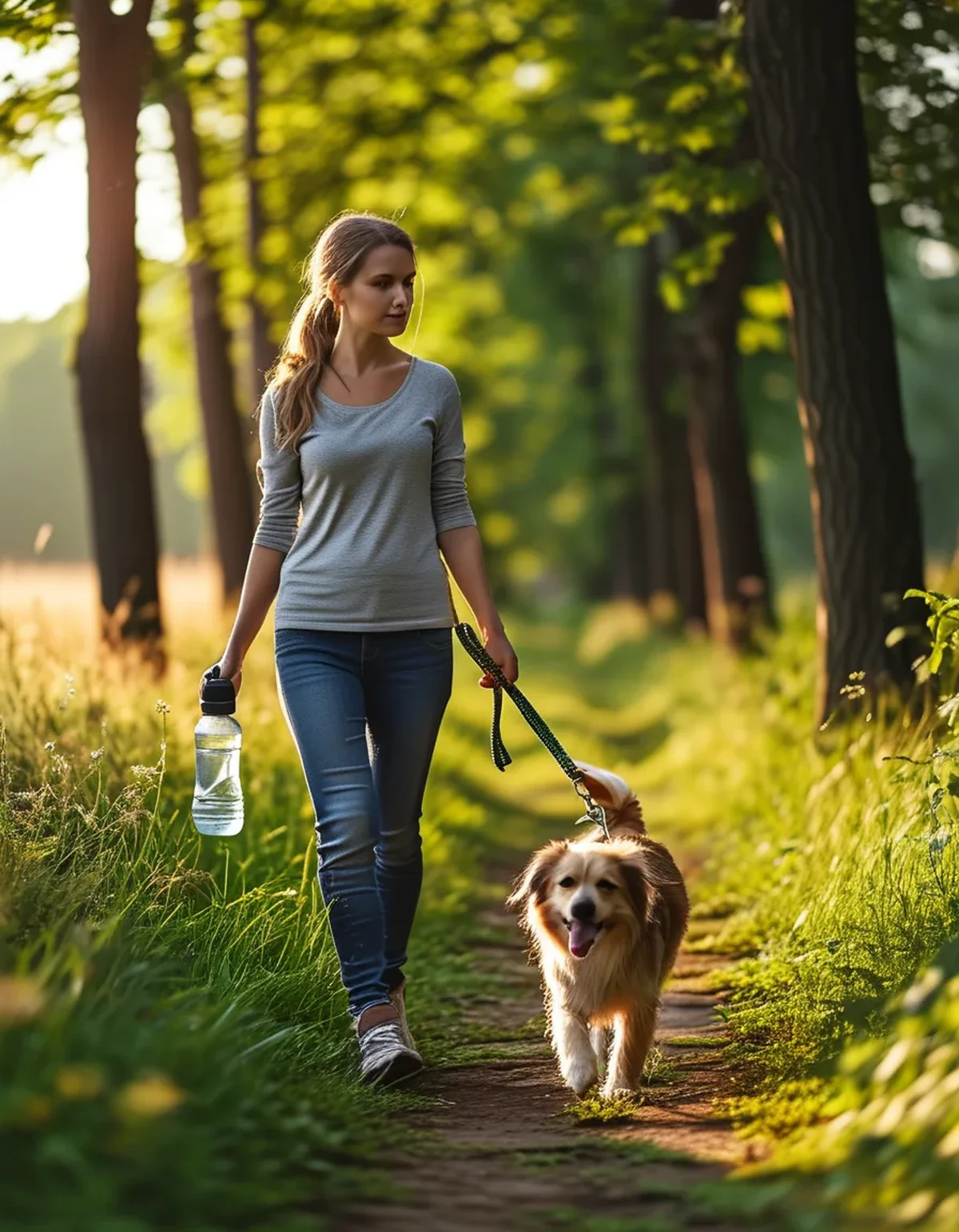
Which dogs need a much lower threshold?
Brachycephalic breeds - pugs, bulldogs, boxers, French bulldogs. Their shortened airways make panting mechanically less efficient, and they are dramatically overrepresented in heat-related emergencies.
Senior dogs and puppies, both with less robust thermoregulation.
Overweight dogs, since fat is insulating and excess weight increases heat production.
Dark-coated dogs in direct sun, which absorb more radiant heat.
Dogs with heart or respiratory conditions.
For these groups, a walk that is fine for a young lean retriever may not be, and the threshold can be 10 to 15 degrees lower.
What Nobody Tells You About Signs of Overheating in Dogs
Most people watch for heavy panting, which is normal and not by itself alarming. The signs that actually matter arrive in a specific order.
Excessive drooling with thick, ropey saliva. Frantic, uncontrolled panting rather than rhythmic panting. Bright red or unusually pale gums. Wobbling or a stumbling gait. Vomiting or diarrhea. Collapse.
Here is the part owners miss: a dog will keep going well past the point where it should stop, because dogs do not self-regulate the way people do. A retriever that loves the walk will run itself into heat stroke.
If you see the middle-stage signs, stop immediately, move to shade, offer cool - not ice cold - water, and wet the belly, armpits and paw pads where blood vessels are close to the surface. Then call a vet. Heat stroke in dogs progresses fast and is a genuine emergency.
This is general information, not veterinary advice. When in doubt, contact your veterinarian.
FAQ: Hot Weather Dog Walking, Answered
What time of day is safest?
Before 8am and after sunset, when both air and pavement have cooled. Pavement stays hot for hours after the sun drops, so evening walks still deserve the seven-second test.
Do dog boots actually help?
They protect against hot surfaces if the dog tolerates them, but they do nothing for overall heat load - a booted dog can still overheat. Boots solve the paw problem, not the temperature problem.
Should I shave my dog for summer?
Usually not for double-coated breeds - the coat provides insulation against heat as well as cold and protects from sunburn. Ask your vet or groomer about your specific breed.
TL;DR:
- Use the seven-second hand test on pavement; asphalt can run 40 to 60 degrees above air temperature.
- Humidity matters more than raw temperature because dogs cool by panting, which is evaporative.
- Flat-faced, senior, overweight and dark-coated dogs need a much lower threshold.
- Thick ropey drool, frantic panting, discolored gums and wobbling are emergency signs, not tired signs.
Dogs will not tell you when to turn around, so the decision has to be made before you leave. Grass, shade and early hours make almost every summer walk safe.
Keep Reading
This article is for general informational and styling purposes only. Fit, sizing, and product availability may vary.