What to Do When Your Dog's Natural Walking Pace Doesn't Match Yours
Quick Answer: A consistent pace mismatch is often more about natural stride and energy level differences between dog and owner than pure obedience — breed size, leg length, and individual energy level all affect a dog’s comfortable natural pace, and training works better once that’s accounted for rather than ignored.
Constant pulling or constant lagging on walks gets labeled a training problem, and training does matter — but a real physical pace mismatch between a dog’s natural stride and the owner’s walking speed is a factor that pure obedience work alone doesn’t fully solve.
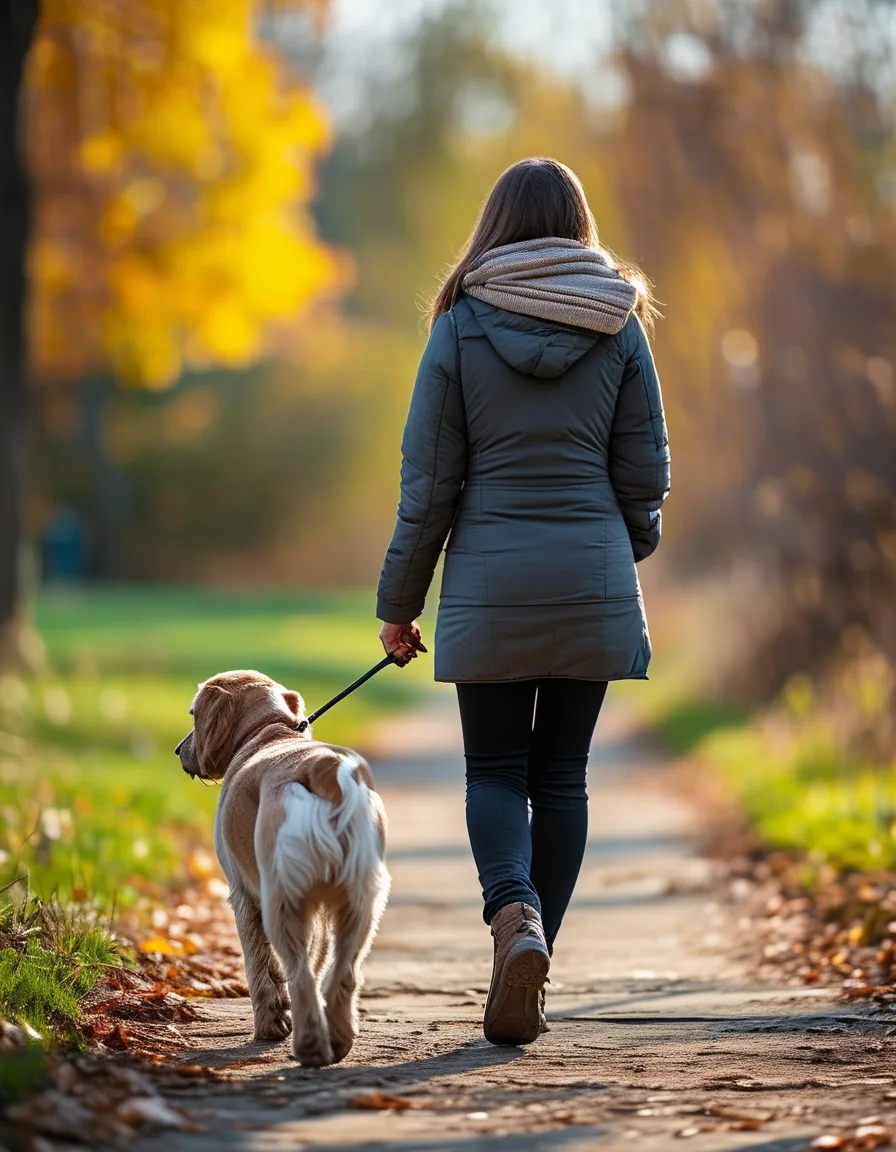
Why do some dogs naturally walk faster or slower than their owner?
Leg length and stride relative to body size vary enormously between breeds and individual dogs — a small dog with short legs may need to trot to keep up with a normal human walking pace, while a large, long-legged breed’s comfortable walking pace may be genuinely faster than a typical human stroll.
Energy level and breed purpose matter too — dogs bred for sustained work (herding or sporting breeds, for example) often have a naturally brisker comfortable pace than breeds bred more for companionship, independent of size alone.
How can you tell if it’s a pace mismatch versus a behavioral pulling issue?
If a dog pulls consistently at a steady, sustained pace rather than in bursts toward specific distractions (other dogs, smells, movement), and settles into a loose leash when you genuinely speed up to match their pace, that points toward a physical pace mismatch rather than a pure behavioral issue.
Behavioral pulling, by contrast, tends to spike toward specific triggers and doesn’t resolve just by walking faster — that distinction matters for figuring out which approach (pace adjustment vs. leash training) is the more relevant fix.
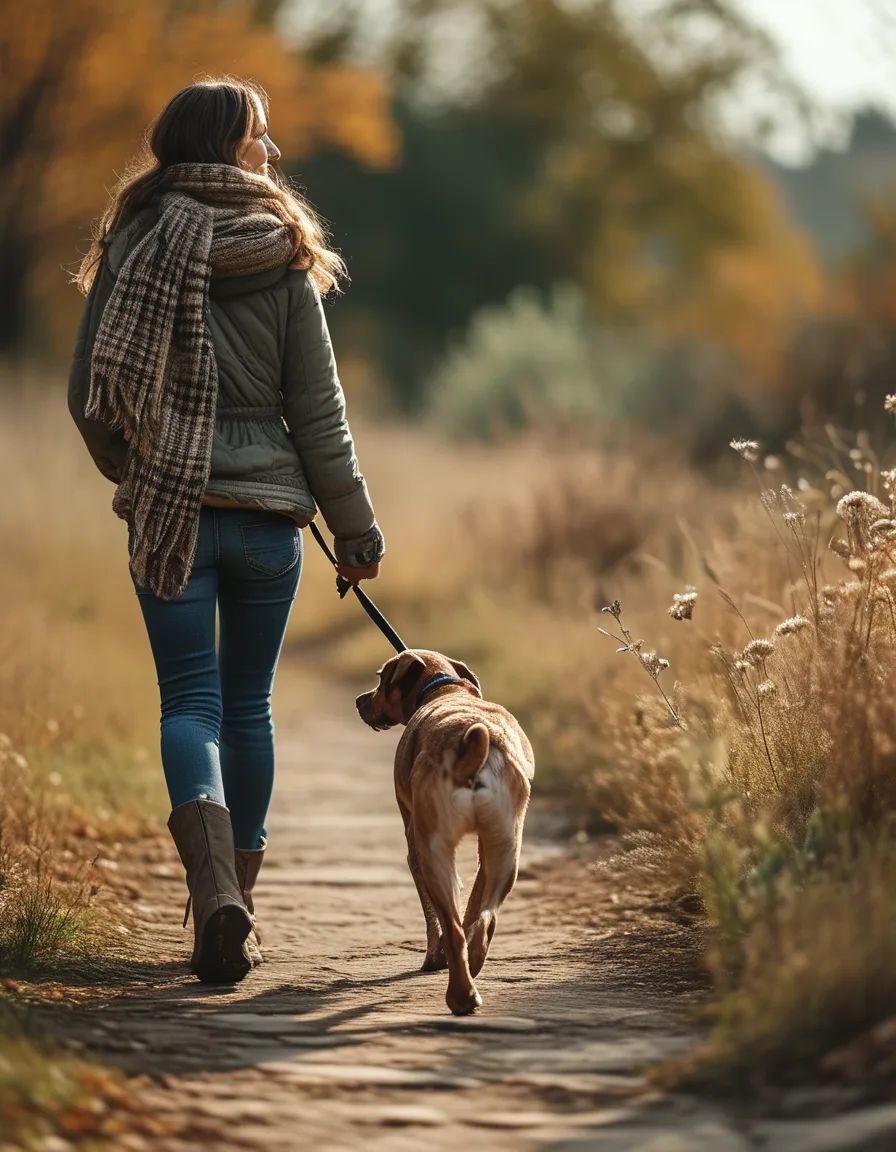
What Nobody Tells You About Small Dogs and ‘Slow’ Walks
A small dog trotting to keep up with a human’s normal walking pace is working significantly harder, relative to its size, than the human is — what looks like an easy stroll for the owner can be a genuinely brisk workout for a small dog, and vice versa for a large dog forced into a slow amble.
This is part of why some small dogs seem to tire quickly on walks that don’t seem long or fast from the owner’s perspective — the relative effort is simply much higher than it looks.
What actually helps close the gap between mismatched paces?
For a dog that’s naturally faster: incorporate short jogging intervals into part of the walk rather than trying to force a slow, steady pace the entire time — this lets the dog’s natural energy get a real outlet within the same walk.
For a dog that’s naturally slower or smaller: build in brief pauses for sniffing and rest rather than maintaining one continuous pace, and consider that a shorter, well-matched-pace walk may provide more genuine benefit than a longer walk at a pace that’s a physical strain.
FAQ: Dog Walking Pace Questions, Answered
Is it bad for a small dog to trot instead of walk during a walk?
Not inherently — a brief trot is a normal gait, but if it’s sustained for the entire walk duration because the human pace is too fast, that’s worth addressing with pace adjustments or shorter walk segments rather than treated as normal all the time.
Should you match your dog’s pace exactly, or find a middle ground?
A middle ground with intentional variation (some faster segments, some slower or paused segments) usually works better than either party being forced into a single uncomfortable pace for the entire walk.
Can a harness or leash type help with pace mismatch specifically?
Equipment can help with pulling comfort and control, but it doesn’t change the underlying physical pace mismatch — that’s addressed by pace variation and walk structure more than gear choice.
TL;DR:
- Pace mismatch is often physical (stride, breed, energy level), not just a training gap
- Steady pulling that resolves when you speed up points to pace mismatch, not pure behavior
- Small dogs work harder relative to size at a ‘normal’ human pace, and vice versa for large dogs
- Build pace variation into walks rather than forcing one uniform speed for the whole walk
Keep Reading
This article is for general informational and styling purposes only. Fit, sizing, and product availability may vary.