Is Your Dog Actually Getting More Exercise Than You Are?
Quick Answer: If your dog gets 2+ daily walks plus active playtime while your own movement is mostly incidental (parking farther away, taking stairs occasionally), your dog is very likely getting meaningfully more structured exercise than you — a simple fix is treating dog walks as your own workout too, by picking up the pace or adding intervals rather than just strolling.
You walk your dog twice a day, rain or shine, without fail. Meanwhile your own workout routine has been ‘starting next week’ for a while. It’s a common pattern — and an easy one to flip once you notice it.
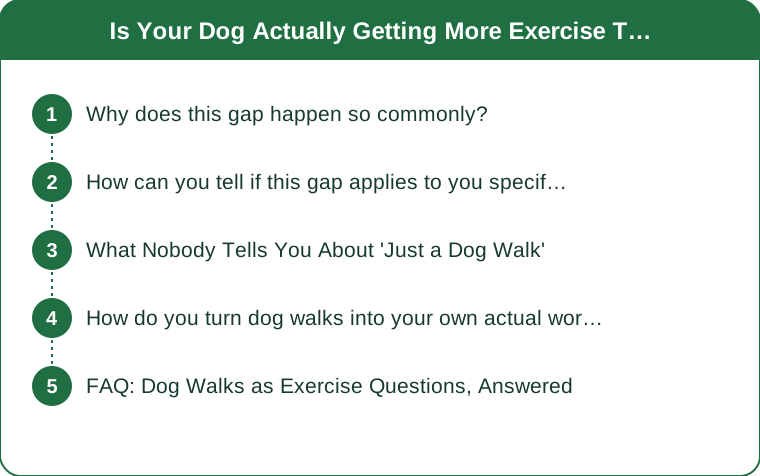
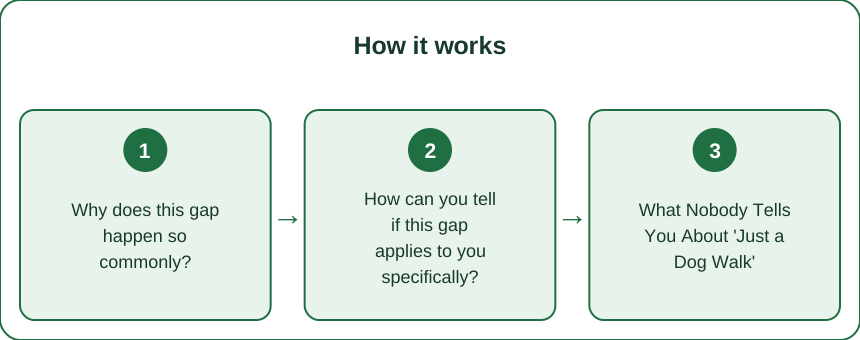
Why does this gap happen so commonly?
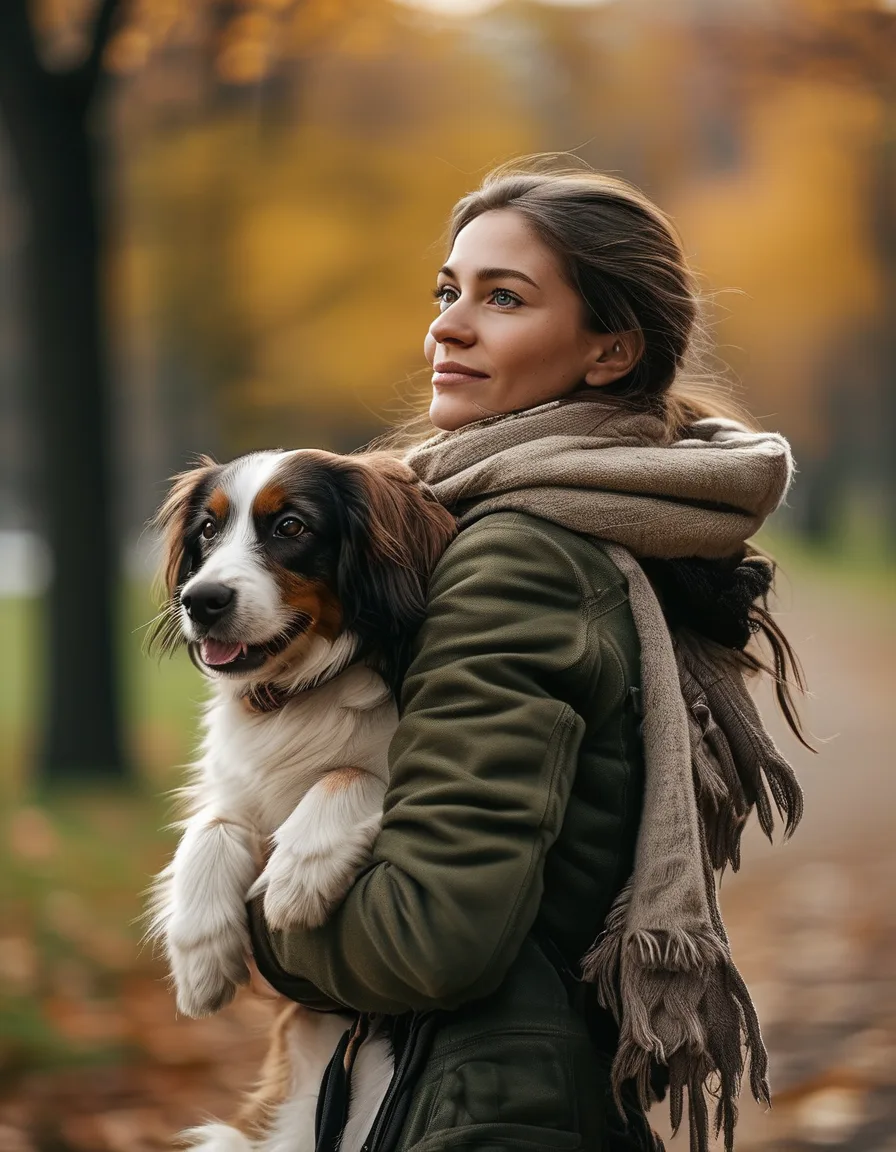
Dog walks operate on obligation, not motivation — your dog needs to go out regardless of how you feel that day, while your own workout depends entirely on willpower and mood, which is a much less reliable system.
This means dog owners often rack up consistent daily movement for their dog while their own intentional exercise stays sporadic, even though the walking itself is happening either way — just not being counted or leveraged as personal exercise.
How can you tell if this gap applies to you specifically?
- You walk your dog daily without fail, but haven’t done a dedicated workout in over a week
- Dog walks are done at a casual, sniffing pace rather than a pace that raises your own heart rate
- You feel guilty skipping a workout but never feel guilty about a dog walk
- Your dog’s daily step count (if tracked) would likely exceed your own on most days
What Nobody Tells You About ‘Just a Dog Walk’
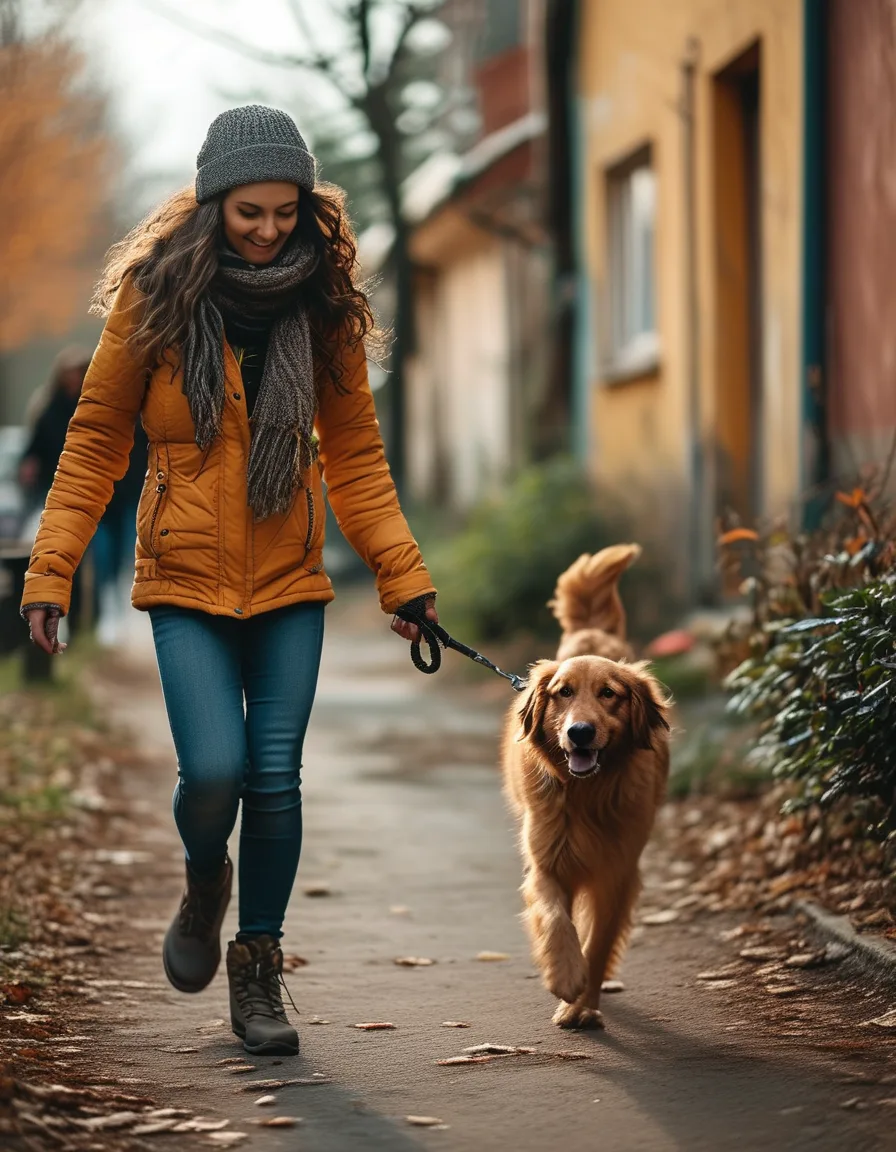
A dog walk at a brisk, sustained pace is genuinely legitimate cardio — the barrier isn’t that dog walks don’t count, it’s that most dog walks happen at a slow, stop-and-sniff pace that doesn’t raise your heart rate meaningfully, even though the same walk at a faster pace would.
Also underrated: your dog’s energy level often reflects your walking pace more than you’d expect — a consistently brisk walk tends to leave dogs calmer and better exercised than a long, slow, meandering one covering similar distance.
How do you turn dog walks into your own actual workout?
- Pick up the pace for at least half the walk, alternating with slower sniff breaks rather than staying uniformly slow throughout
- Add bodyweight intervals at set points on your route (a park bench for step-ups, a curb for calf raises)
- Use a longer route intentionally on days you’d otherwise skip a workout, treating the walk as the workout rather than an obligation squeezed around one
- Track your own pace or heart rate, not just the walk’s duration, to confirm it’s actually reaching workout intensity
FAQ: Dog Walks as Exercise Questions, Answered
Does a slow dog walk count as exercise for me at all?
It counts as light movement and step count, but likely not as cardiovascular exercise unless your heart rate is elevated for a sustained period.
How fast should I walk for it to count as real exercise?
A pace where conversation is possible but slightly effortful — roughly a brisk walk — is a reasonable general target for cardiovascular benefit.
Will a faster pace stress out my dog?
Most dogs adapt well to a brisker pace, especially if you allow some slower sniff breaks within the same walk — total exhaustion or panting excessively is the signal to slow down.
TL;DR:
- Dog walks happen on obligation, making them more consistent than most owners’ own workouts
- The gap comes from pace, not frequency — dog walks are often too slow to count as your own cardio
- Picking up the pace for part of the walk turns an existing habit into real exercise
- Adding bodyweight intervals along your usual route closes the gap without needing extra time
The consistency is already there — it just needs to be pointed at your own fitness too.
Keep Reading
This article is for general informational and styling purposes only. Fit, sizing, and product availability may vary.