How to Modify Dog Fitness Routines for an Aging Dog Without Cutting Activity Entirely
Quick Answer: Senior dogs generally benefit from shorter, more frequent low-impact sessions (two 15-minute walks instead of one hour-long hike), swapping high-impact activities like jumping and hard running for swimming or flat-terrain walking, and closer attention to joint supplements and warm-up time — cutting exercise entirely usually accelerates the stiffness and muscle loss it’s meant to prevent.
The instinct to scale back a senior dog’s activity to almost nothing out of caution often backfires — the goal is modification, not elimination.
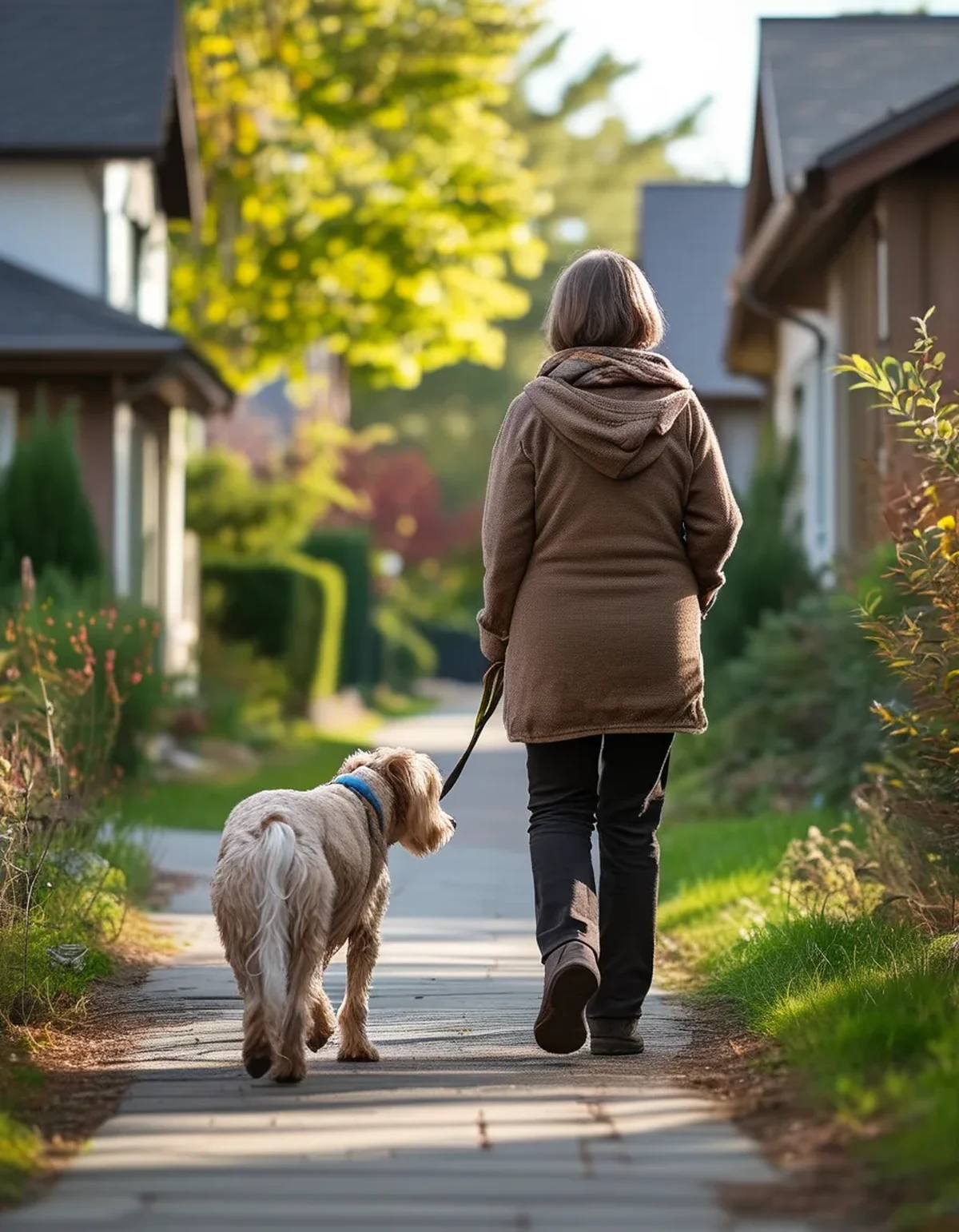
Why does swapping to shorter, more frequent sessions matter for senior dogs?
Older joints and muscles tend to stiffen and fatigue faster than younger ones but also recover reasonably well between shorter bouts of activity — two 15-minute walks spread through the day typically produce less soreness and stiffness than one hour-long outing, while still delivering comparable total activity.
What activities should generally get scaled back or swapped out for a senior dog?
High-impact activities — jumping for a frisbee, hard sprinting, repeated stair use — put more sudden stress on aging joints than a senior dog’s body handles as well as it once did. Swapping these for swimming (genuinely low-impact and joint-friendly) or flat-terrain walking maintains fitness without the impact cost.
Does warm-up time matter more for senior dogs than younger ones?
Yes — a slower, longer warm-up period (a gentle 5-minute walk before any faster-paced activity) helps stiffer senior joints and muscles transition into activity more comfortably, similar to how warm-up matters more for older human joints than for younger ones.
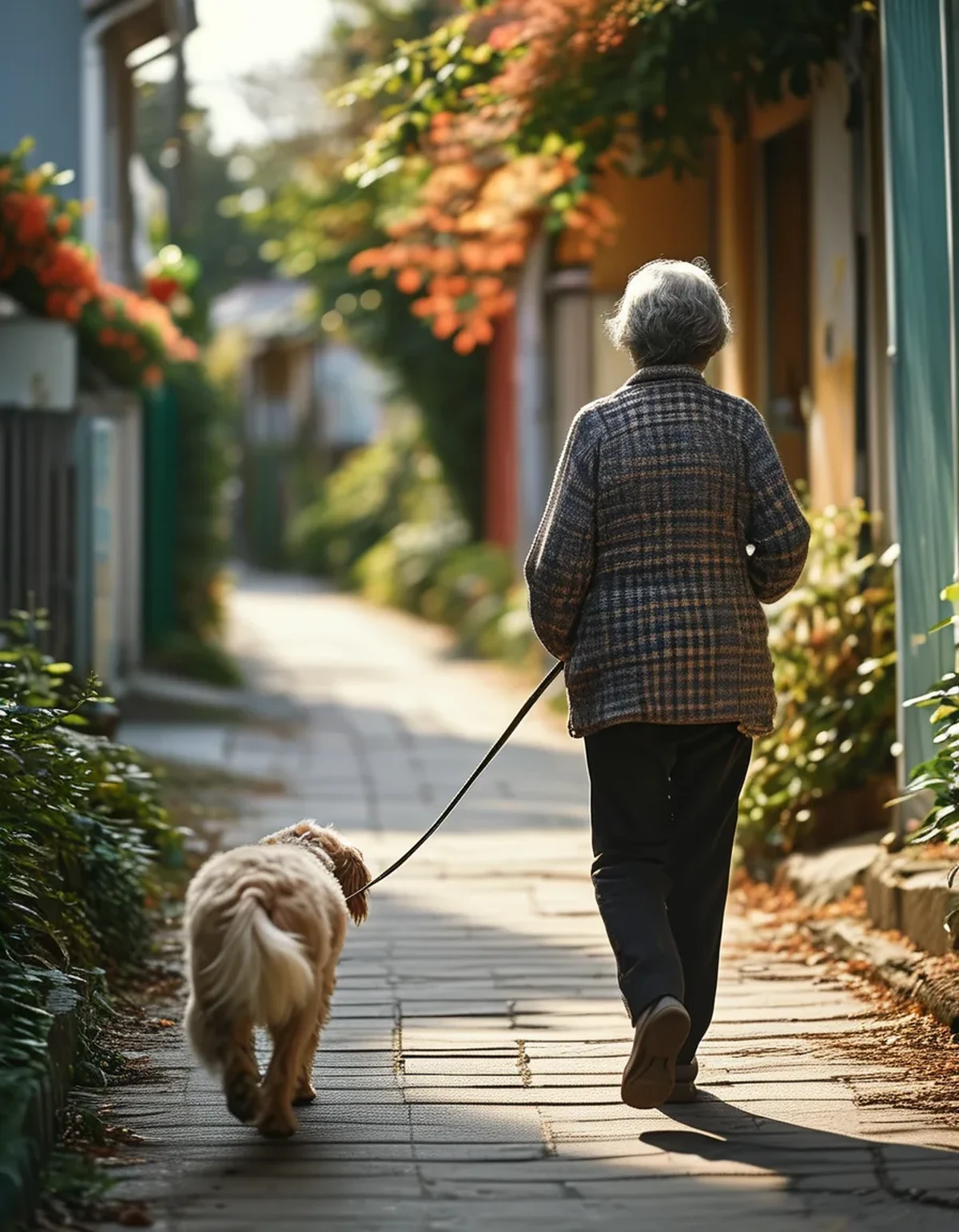
How do you know if a senior dog’s activity level actually needs to be reduced versus just modified?
Watching for specific signs — limping after activity, noticeably slower recovery the next day, reluctance to get up, or visible discomfort during a normally-tolerated activity — helps distinguish between ‘this specific activity needs modifying’ and ‘overall activity level needs a broader reduction,’ which are different problems with different fixes.
What Nobody Tells You About Senior Dog Fitness
Vets and trainers increasingly emphasize that under-exercising a senior dog accelerates the very muscle loss and stiffness owners are often trying to avoid by cutting back — appropriately modified activity actually helps maintain mobility and joint health longer than a sharp reduction to minimal movement does, which runs counter to a lot of owners’ instinct to just ‘let them rest.’
FAQ: Senior Dog Fitness Questions, Answered
At what age should a dog’s exercise routine start being modified?
This varies significantly by breed and size — larger breeds often need modifications starting around age 6-7, while smaller breeds may not need major changes until 9-10, so checking with a vet based on your specific dog is more reliable than a universal age.
Are joint supplements actually worth adding for an aging active dog?
Many vets recommend glucosamine or omega-3 supplements as a reasonable, low-risk addition to support joint health in senior dogs, though this is worth discussing directly with your vet given individual health factors.
Is swimming really safe for all senior dogs?
Swimming is broadly considered one of the gentlest, most joint-friendly activities for senior dogs, but dogs with certain heart conditions or extreme frailty should be cleared by a vet first. This is general information, not veterinary advice.
TL;DR:
- Shorter, more frequent sessions typically work better for senior dogs than one long outing
- Swapping high-impact activities for swimming or flat walking maintains fitness without added joint stress
- Longer warm-up periods matter more for stiffer senior joints
- Under-exercising can accelerate the stiffness and muscle loss owners are often trying to prevent
If your senior dog’s routine hasn’t changed since they were younger, that’s worth revisiting with your vet — modification, not elimination, is usually the better path. This is general information, not veterinary advice.
Keep Reading
This article is for general informational and styling purposes only. Fit, sizing, and product availability may vary.