How to Give a High-Energy Dog Enough Exercise When You Live in an Apartment
Quick Answer: In an apartment, a high-energy dog’s exercise needs are best met with a combination of structured daily walks, short high-intensity indoor play sessions (tug, fetch down a hallway), and mental enrichment like puzzle feeders, since mental stimulation tends to tire an under-exercised apartment dog as effectively as pure physical exertion.
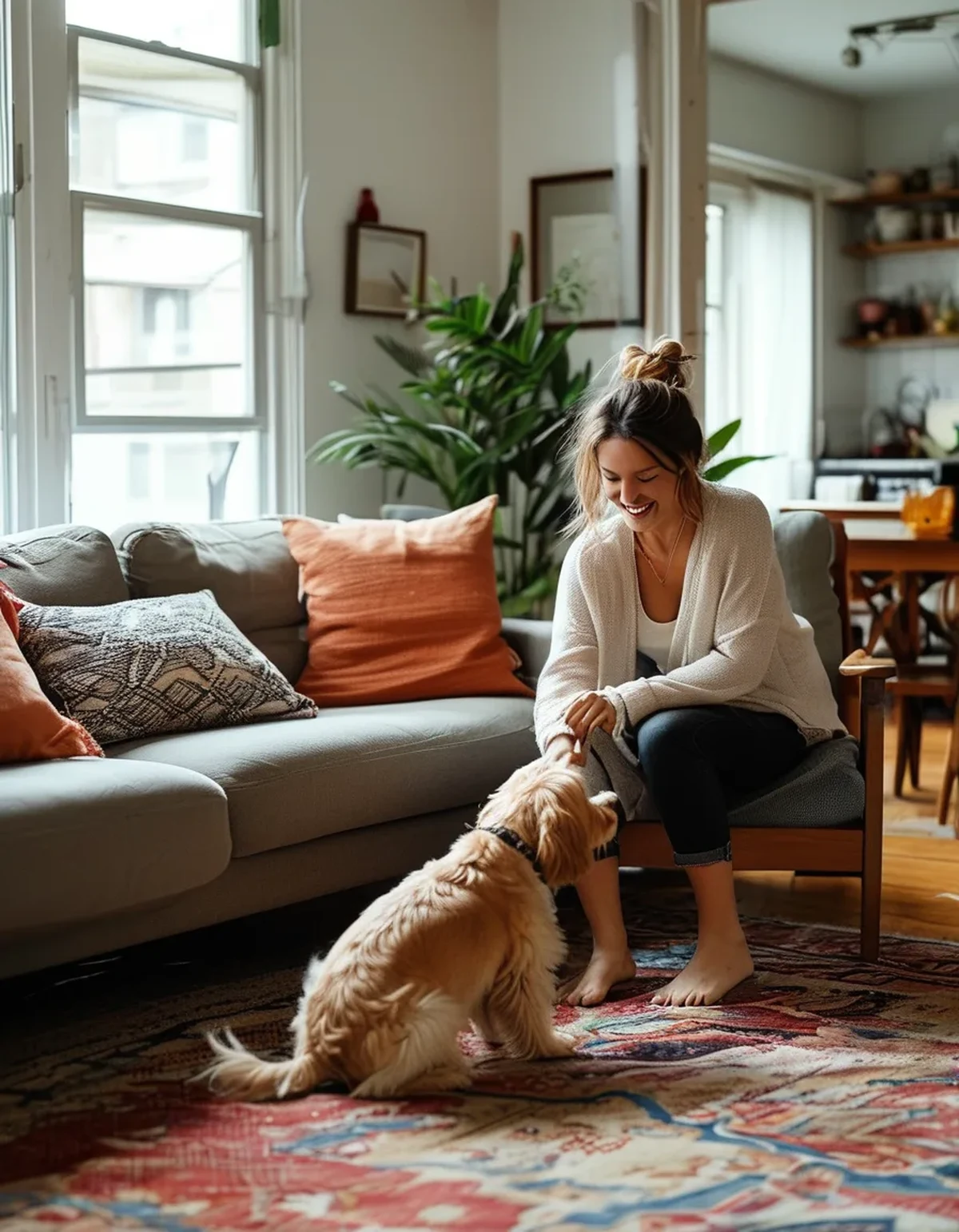
A lack of yard space is a real constraint, but it’s rarely the actual reason an apartment dog seems restless — the exercise routine usually just needs to be more deliberate.
Is walking alone usually enough for a high-energy dog in an apartment?
Often not on its own. Walking provides steady low-intensity movement, but many high-energy breeds also need short bursts of higher-intensity activity (like fetch or tug) to feel genuinely satisfied — pairing a longer walk with a few minutes of intense play tends to work better than either alone.
How much does mental enrichment actually substitute for physical exercise?
More than most people expect. Puzzle feeders, scent games, and basic training sessions engage a dog’s brain in a way that produces real fatigue, sometimes comparable to physical activity — this is especially useful on days when weather or schedule limits how much a dog can get outside.

What indoor games work well in a small apartment space?
Hallway fetch, tug-of-war, and hide-and-seek with treats or toys all work well in limited square footage, since they rely on short bursts of intensity rather than sustained distance. Stair climbing (if available in the building) is another effective, space-efficient option.
What Nobody Tells You About Apartment Dog Exercise
Here’s what’s often missing from apartment dog advice: a tired dog isn’t just a physically exercised dog — it’s a dog whose brain also got worked. Two dogs can get the identical hour-long walk, and the one that also did 10 minutes of scent work or puzzle-feeder time afterward will often settle noticeably faster and more completely than the one that didn’t.
FAQ: Apartment Dog Exercise Questions, Answered
How many walks a day does a high-energy dog need in an apartment specifically?
Most high-energy dogs do well with two to three walks daily, but the exact number depends heavily on breed, age, and how much additional play and mental enrichment happens between walks.
Are dog parks a good substitute for a private yard?
They can be, especially for social breeds, but dog park visits vary a lot in quality depending on other dogs present — some apartment dwellers find a private, fenced area (even a rented one) more consistently useful than a public dog park.
Is it a bad sign if a dog still seems restless after a long walk?
Not necessarily — it may simply mean the dog’s needs lean more toward mental stimulation or shorter bursts of intensity than steady-paced walking alone provides.
TL;DR:
- Apartment living doesn’t rule out meeting a high-energy dog’s needs, but it requires more intentional planning
- Combine walks with short bursts of high-intensity indoor play
- Mental enrichment (puzzle feeders, scent games) can produce real fatigue, not just physical activity
- A restless dog after a long walk may need more mental stimulation, not just more distance
A small space is a real constraint, but a thoughtful mix of walking, play, and mental work covers most of what a high-energy dog needs.
Keep Reading
This article is for general informational and styling purposes only. Fit, sizing, and product availability may vary.